
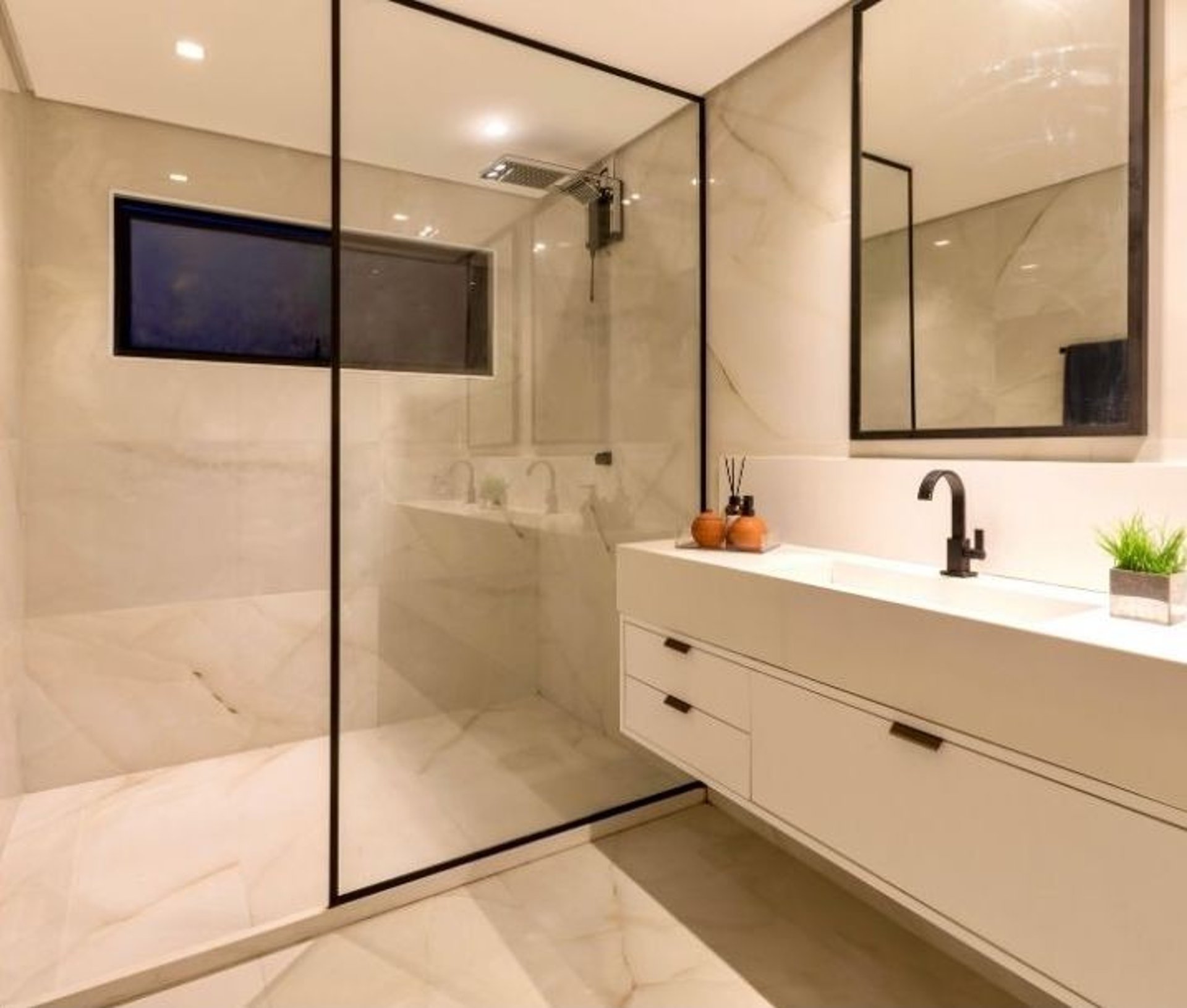
Converting a Room or Unused Area to a Bathroom: The Upgrade That Pays You Back Every Day
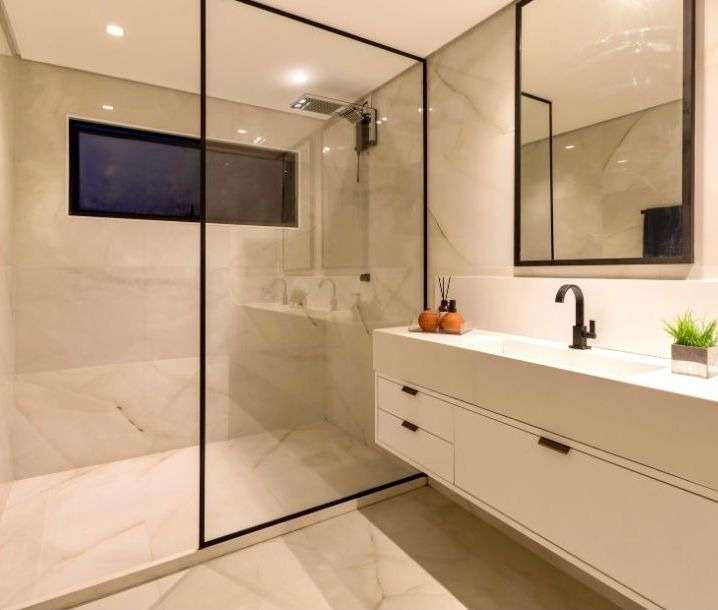
Converting an unused room into a bathroom is one of those rare home improvements that feels instantly rewarding and also makes long-term financial sense. A well-planned room-to-bathroom project can give your household extra comfort, create better flow in a busy home, and add real value when it comes time to sell. Whether you are turning a box room into a cloakroom, transforming part of a dining room into a guest suite, or upgrading a spare bedroom into an en-suite, room-to-bathroom conversions are increasingly popular in modern homes where space needs to work harder.
The best conversions do not happen by chance. They rely on practical planning, good bathroom design, and experienced tradespeople, such as local bathroom fitters, a reliable bathroom renovation contractor (or bathroom remodelling contractor), and a specialist bathroom electrician for safe electrical wiring and certification. When done correctly, the result is not just "another toilet," but a stylish bathroom that feels like a personal sanctuary and supports everyday life.
Why a Room-to-Bathroom Conversion Makes Sense
The biggest reason people explore a bathroom conversion is simple convenience. An extra toilet and shower can completely change how a household functions, especially in the morning rush, when guests stay over, or when children reach their teenage years. Adding a new wash space can also future-proof a property, because ground-floor bathrooms or accessible solutions are increasingly desirable. Even a compact, small bathroom or a slimline, short-projection toilet can be transformative if it is positioned well and fitted professionally. There is also the value aspect. Many buyers filter searches by the number of bathrooms, and a thoughtfully finished space with quality bathroom tiles, good lighting, and a modern vanity or vanity units can elevate a property a the next tier. In the UK, people often search for phrases like 'bathroom renovation near me,' 'bathroom remodelling near me,' or 'bathroom remodel near me,' because they want local expertise and a trustworthy installation. That local experience matters because converting a room is not the same as swapping a bath in an existing bathroom; it involves drainage routes, ventilation requirements, and sometimes structural decisions about layout.
Bathroom, Wet Room, or Wetroom: Choosing the Right Type
One of the first design decisions is whether you want a conventional bathroom with a bath and separate shower, or a wet room (also written as wetroom). A wet room can be an excellent choice when you are working with a limited footprint, awkward angles, or when you want a sleek, modern finish. In a wet room, waterproofing and falls to the drain are critical, and the specification may include flat shower trays, a true level-access drain system, and a screen such as a wetroom screen. The look can be beautifully minimal, especially when paired with large-format floor tiles, statement wall tiles, and durable wall panels in splash zones. A wet room can also be ideal for accessibility, as there are fewer thresholds and more effortless movement.
A traditional bathroom still has enormous appeal, especially if your home suits a classic style. Some homeowners lean into Victorian or heritage bathrooms, drawing inspiration from details of the Queen Victoria era, traditional bath taps, and period-style radiators. Others prefer crisp, contemporary designs with designer waterfall taps, streamlined basins, mirrored storage, and rimless toilets. The point is that your conversion can match the character of the house, whether you are creating a traditional bathroom, one of many conventional bathrooms in a larger property, or a sharp modern bathroom with the latest fittings.
Planning the Layout: Making Space Work Like a Real Bathroom
A conversion succeeds or fails on layout. The best approach is to start with how you will use the room, then design backwards into fixtures. If you need a family space, you may prioritise a bath with showering, storage, and easy-clean surfaces. If it is a guest space, you might prioritise a comfortable shower, a vanity with storage, and strong ventilation. If it is a compact cloakroom, focus on a small toilet, a neat hand basin, and clever storage, such as mirror cabinets.
Many homeowners benefit from using a bathroom planner, whether online or offered by an online bathroom specialist or a local showroom. A good plan takes into account door swings, clearances, and the location of existing water supplies. It also considers the practical realities of installing a waste pipe, because drainage often dictates where toilets and showers can be placed most easily. This is where a bathroom designer and experienced fitters add value; they can propose solutions that look effortless but are grounded in plumbing reality.
Plumbing, Waterproofing, and the Hidden Work That Matters
A room-to-bathroom conversion is not just about choosing pretty finishes. It is a technical build. Your fitter will manage plumbing routes for hot and cold water, waste, and, sometimes, soil pipes. In older properties, there may be additional considerations around pipe sizing, water pressure, and whether a pump is required. In newer builds, it may be more about careful routing and making good the walls and floors so that the room feels purpose-built rather than adapted.
If you are building a wet area, Waterproofing bathroom zones is essential. Proper Waterproofing protects the structure, reduces long-term maintenance issues, and prevents hidden leaks that can become expensive. This is also where product choice matters. Quality membranes, reliable drains, and well-fitted tiles with tight seal lines can make the difference between a wet room that performs for years and one that becomes a problem. When buying materials, it helps to read reviews and choose suppliers known for their consistency. Many people browse retailers such as Victorian Plumbing or look for premium brands and premium materials, including well-known names like Mira showers or Aqualisa for shower systems.
Electrics, Lighting, Heating, and Ventilation: Non-Negotiables in a Bathroom
Bathrooms demand safe electrics and good airflow. A qualified electrician, whether you find them via "electrician london," "lighting installation near me," or a trusted local referral, should handle electrical components and ensure electrical safety. Good bathroom lighting usually combines task lighting and ambient lighting, including downlights, vanity lighting around mirrors, and any feature lighting you want. The electrician should provide any required electrical certificate following electrical testing, which protects you and future buyers.
Ventilation is just as important. A new bathroom without adequate extraction will quickly show problems through condensation, peeling finishes, and mould. A properly sized bathroom extractor fan, a ventilation fan suitable for wet areas, or a complete bathroom ventilation system is often required. People search for terms like 'bathroom ventilation,' ' bathroom ventilation fan,' or 'bathroom extractor fan ceiling' for good reason: it protects the investment and keeps the room pleasant. Building regulations often guide what is required, so it is wise to treat Building Regulations Bathroom Ventilation as design constraints, not optional extras.
Heating and comfort also matter. Many conversions include towel radiators, underfloor heating, or electric heating, plus practical additions such as heated mirrors to reduce fogging. When these details are integrated early, the bathroom feels like a complete room rather than a retrofitted space.
Choosing the Look: Tiles, Furniture, Mirrors, and Accessories
Once the core build is planned, the enjoyable part begins: choosing the finishes. Bathroom tiles remain the most common choice for walls and floors because they are durable and easy to clean. You might combine large-format bathroom tiles for a modern look with textured feature walls, or use patterned tiles to add personality. Wall panels can reduce grout maintenance and are increasingly popular in family homes or rental properties where durability matters.
Furniture choices define how luxurious the space feels. A fitted vanity, a slim vanity unit, or a white vanity unit can brighten the room and provide storage. Add cabinets, bathroom shelves, and well-placed mirror cabinets, and you will avoid clutter, which is especially important in small bathrooms. Bathroom mirrors, including illuminated models, elevate the space and improve usability. When you add thoughtful accessories like towel hooks, storage baskets, and coordinated taps, the room feels intentional and finished.
Benefits and Drawbacks: A Balanced View
The benefits of converting unused space are substantial. You gain daily convenience, improve household function, and add value. A well-executed conversion can create the "hotel" feeling at home, turning a spare area into a calm, private retreat. It can also solve practical problems, such as providing a downstairs toilet for guests or improving accessibility for someone who struggles with stairs.
However, the drawbacks are real and worth considering upfront. The most obvious is cost. People often search for bathroom remodel cost, cost of bathroom renovation, average bathroom renovation cost, average bathroom remodel cost, or bathroom renovation cost uk, because pricing varies widely by scope, specification, and complexity. A conversion may cost more than a like-for-like replacement because you are creating new services, drainage, and ventilation. There is also disruption during installation, especially if plumbing routes require opening floors or walls. Finally, you must accept the trade-off: the room you convert is no longer a bedroom, office, or storage space. That trade-off can be worth it, but it should be a conscious decision based on how you use your home.
Finding Products, Planning a Budget, and Getting the Job Done
Most homeowners start by gathering information, building a rough budget, and browsing a shop or showroom for inspiration. Many retailers offer a "shop by style" approach, whether you are aiming for contemporary minimalism, traditional elegance, or a spa-like wet room. You might find good deals during a sale. Still, it is wise to balance price with reliability for key items such as toilets, concealed cisterns, shower valves, and waterproofing components. For premium finishes, you may browse bathroom suites, bathroom suite packages, or even a complete bathroom suite to keep the look cohesive. For others, a "mix and match" approach works best, especially when coordinating bathroom furniture, bathroom taps, and tile choices.
If you are ready to proceed, it is smart to enquire with a few fitters and request detailed quotes that include design, supply, and fitting. Some companies offer a complete design-to-installation approach, sometimes described as a full bathroom fitting service, which can reduce stress and improve accountability. When comparing contractors, look beyond the headline price and consider experience, timelines, and the quality of previous work. A team that combines plumbing, electrics, and finishing skills with precision and care is more likely to deliver an exceptional result.
The Bottom Line
Turning unused space into a bathroom is more than a trend; it is a practical strategy to improve comfort, functionality, and value. With careful layout planning, professional plumbing and electrics, strong ventilation, and thoughtful design choices—from showers and shower enclosures to bath taps, mirrors, and bathroom furniture—a conversion can feel like one of the most satisfying upgrades you ever make. Whether you choose a traditional suite inspired by the past or a modern wet room designed for space efficiency, the right approach will transform a forgotten room into a bathroom you genuinely enjoy using every day.
At Reno‑Innovate, we specialise in room-to-bathroom conversions in London, delivering complete bathroom renovation services with all trades in‑house form electricians, plumbers, tilers, bathroom fitters, plasterers, and bathroom designers.
No subcontractor chaos, no miscommunication, no long delays. Just a seamless design to installation process, precise fixture installation, and premium quality workmanship from a friendly renovation team.
And if you think there is no room for an ensuite bathroom, we can carefully take space from adjoining areas, such as a landing, cupboard or neighbouring bedroom to create a much needed bathroom or cloakroom for you to enjoy, while still respecting the layout, structure and character of your home.
Contact
Get in touch for your renovation needs
Phone
info@reno-innovate.co.uk
07865 767193
© 2025. All rights reserved.