

Hidden Costs of Buying a London Fixer Upper: What Every Homebuyer Needs to Know
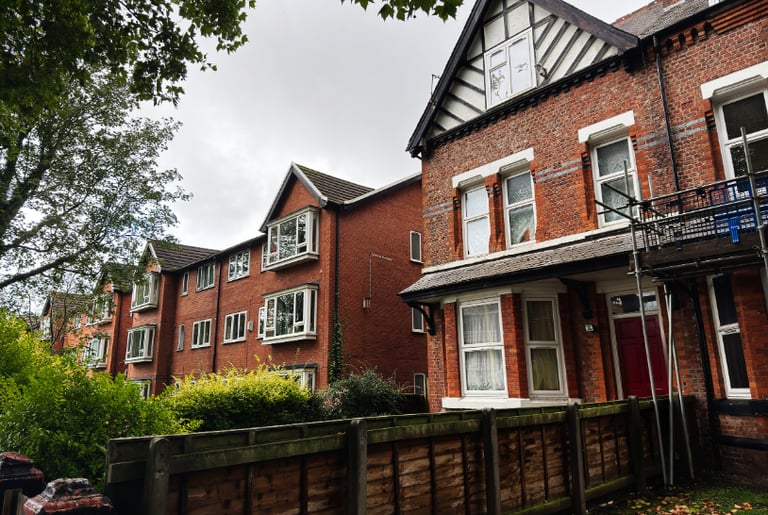
Buying a fixer‑upper in London can feel like a smart move. With eye‑watering property prices across the capital, many buyers are tempted by homes that “just need a bit of work.” The promise is simple: buy below market value, renovate, and add instant equity. In reality, the hidden costs of buying a London fixer‑upper often catch homeowners off guard, turning a dream project into a financial headache.
At Reno‑innoVate, we’ve worked on countless London renovation projects, from Victorian terraces in Hackney to period townhouses in Kensington. Time and again, we see the same pattern: budgets set too low, timelines stretched too long, and unexpected issues emerging once walls and floors are opened up. This guide explores the real, often overlooked costs of buying and renovating a fixer‑upper in London, so you can plan realistically and renovate with confidence.
The True Purchase Price Goes Beyond the Asking Price
Many buyers focus solely on the listing price, but the real cost of purchasing a London fixer‑upper starts to rise well before renovation work begins. Stamp Duty Land Tax (SDLT) is a significant factor, particularly in London, where property prices often push buyers into higher tax bands. Even a “cheap” fixer‑upper can attract significant stamp duty, especially for second‑home buyers or landlords.
Survey costs are another essential expense. While a basic valuation might satisfy a mortgage lender, it rarely uncovers the full picture. Older London properties often require a complete building survey, particularly Victorian and Edwardian homes, which are common across the city. These surveys can reveal serious structural issues such as subsidence, roof failure, damp penetration, or outdated wiring. The survey itself costs more, but the problems it uncovers can add tens of thousands of pounds to your renovation budget.
Legal fees can also increase when buying a fixer‑upper. Complications such as missing planning permissions, unclear boundaries, or historic building alterations often require extra legal work. Leasehold properties, common in London, can incur additional solicitor costs, especially if the lease is short or the freeholder is difficult to deal with.
Structural Repairs: The Biggest Hidden Cost
Structural issues are one of the most expensive and underestimated hidden costs of buying a London fixer‑upper. Many properties in the capital are over 100 years old, and while they may look charming on the surface, their foundations, load‑bearing walls, and roofs may be under severe strain.
Subsidence is a prevalent issue in London due to clay soil and changes in ground moisture. Repairing subsidence can cost between £10,000 and £50,000, or more, depending on the severity. Even if subsidence is historic, you may need structural engineers’ reports and ongoing monitoring, which adds time and cost before renovation can even begin.
Roof repairs are another significant expense. London’s older slate and tile roofs often require complete replacement rather than patch repairs. Scaffolding alone can cost thousands of pounds, especially in tight terraced streets where access is limited. If the roof structure itself is compromised, costs escalate quickly.
Internal structural changes, such as removing walls to create open‑plan living spaces, often require steel beams and structural calculations. Many buyers assume this is a simple alteration, but in reality, it involves engineers, building control approvals, and skilled labour, all of which add high costs.
Damp, Mould, and Timber Problems
Damp is one of the most common hidden costs in London fixer‑uppers. Period properties were built using breathable materials, and modern alterations such as cement renders, sealed windows, or poor ventilation can trap moisture inside the building.
Rising damp, penetrating damp, and condensation are frequently misdiagnosed, leading to ineffective treatments and wasted money. Proper damp remediation may involve improving drainage, repairing brickwork, replacing plaster, and installing ventilation systems. Timber decay, including wet rot and dry rot, is often linked to long‑term damp issues and can spread unseen behind walls and floors.
Treating damp and timber problems correctly can cost several thousand pounds, but failing to address them properly can lead to ongoing damage and health issues, particularly in family homes.
Outdated Electrical and Plumbing Systems
Many London fixer‑uppers still rely on electrical systems installed decades ago. Old fuse boxes, insufficient sockets, and unsafe wiring are standard. A full electrical rewire is often necessary to meet modern safety standards and lifestyle needs. This is not just a cosmetic upgrade; it is essential for safety and compliance.
Plumbing systems can be equally problematic. Lead pipes, ageing boilers, and inefficient water systems are standard in older London properties. Replacing pipework, installing modern heating systems, and upgrading boilers can add a substantial amount to your renovation budget. If you are planning additional bathrooms or underfloor heating, costs rise further.
These upgrades are rarely visible during viewings but become unavoidable once renovation work begins.
Planning Permission and Building Regulations
One of the most misunderstood hidden costs of renovating a London fixer‑upper is navigating planning permission and building regulations. While some works fall under permitted development, many London properties are subject to restrictions, especially in conservation areas.
If your fixer‑upper is a listed building or located in a conservation area, even minor changes may require planning consent. Applications take time, and professional fees for architects, planning consultants, and heritage reports can quickly add up. Delays in approval can also extend your project timeline, increasing holding costs such as mortgage payments and rent elsewhere.
Building regulations approval is mandatory for most renovation work, including structural alterations, insulation upgrades, electrical work, and plumbing. Fees for building control inspections are often overlooked, but are essential for legal compliance and future resale.
Access, Logistics, and London‑Specific Challenges
Renovating in London presents unique logistical challenges that directly impact costs. Restricted access, narrow streets, and parking limitations can increase labour time and delivery expenses. In some boroughs, you may need parking suspensions or special permits for skips and scaffolding, adding further costs.
Noise restrictions and limited working hours can extend project timelines, particularly in residential areas. Flats and maisonettes introduce additional complexity, as work often requires coordination with freeholders and neighbours, sometimes involving party wall agreements. Party wall surveyors’ fees are another hidden cost that buyers frequently overlook.
Interior Finishes and Specification Creep
Once the major work is underway, many homeowners experience “specification creep.” This happens when initial budget finish dates are updated as the project progresses. In London, where property values are high, there is often pressure to match local standards with high‑end kitchens, bathrooms, and bespoke joinery.
Minor upgrades quickly add up. Better tiles, custom cabinetry, smart home systems, and premium flooring can push budgets far beyond original estimates. While these upgrades can add value, they must be planned carefully to avoid financial strain.
Professional Fees and Project Management
Architects, structural engineers, interior designers, and project managers all play an essential role in a successful renovation. However, their fees are often underestimated or forgotten entirely during early budgeting.
Good design and project management can actually save money by avoiding mistakes, delays, and poor workmanship. However, these services must be factored into the overall cost of buying and renovating a London fixer‑upper.
The Cost of Time and Stress
One of the most overlooked hidden costs is the personal cost of time and stress. Living through a renovation or managing one remotely can be exhausting. Delays, unexpected issues, and decision fatigue are common, especially for first‑time renovators.
Extended renovation timelines mean continued mortgage payments, rent, or storage costs. These financial and emotional pressures are rarely considered at the outset, yet they can significantly impact your overall experience.
Renovate Smarter with Reno‑innoVate
Buying a fixer‑upper in London can still be a rewarding investment, but only when the hidden costs are fully understood and professionally managed. From structural repairs and damp treatment to planning permissions and high‑quality finishes, the actual cost goes far beyond the initial purchase price.
Reno‑innoVate provides London’s only specialist pre‑purchase home inspection and renovation survey service that goes beyond a standard survey. In a single home inspection, we combine:
Structural inspection
Moisture level tests for damp and leaks
20‑point electrical inspection and testing – an “Electrical MOT”
Plumbing and heating system inspection
Bathroom inspection from an installer’s point of view
Ventilation of bathrooms and the kitchen
Floors and walls inspection
Flat roof condition and structural integrity checks
We then provide a clear written report with photos and a full quotation for remedial and renovation works, giving prospective buyers the clarity they need to move forward with confidence.
If you’re considering a London fixer‑upper or already own one and want expert guidance, contact Reno‑innoVate today. Let us turn your renovation vision into a well‑managed, stress‑free reality.
Contact
Get in touch for your renovation needs
Phone
info@reno-innovate.co.uk
07865 767193
© 2025. All rights reserved.